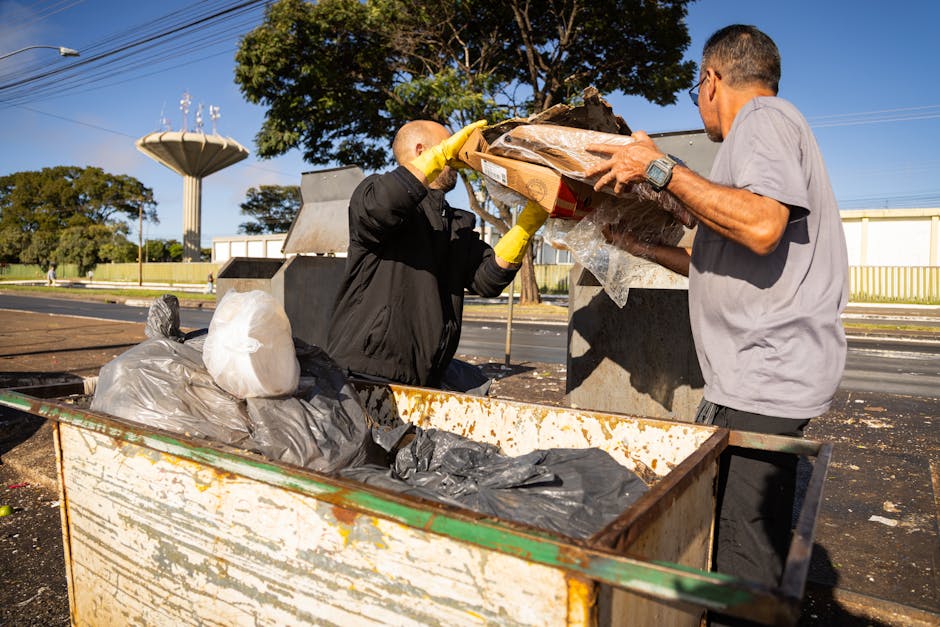
Simple steps to sort household waste before booking a removal crew
If you are staring at a growing pile of bags, broken furniture, and odd bits from the loft, you are not alone. Sorting waste properly before a removal crew arrives can save time, reduce surprises, and make the whole job feel far less chaotic. The simple steps to sort household waste before booking a removal crew are not complicated, but they do make a real difference: less back-and-forth on the day, better recycling outcomes, and a smoother quote process from the start.
Truth be told, most waste jobs go better when the sorting happens before the van turns up. A few minutes with a clear plan can stop recyclable items being mixed in with general rubbish, keep restricted items out of the load, and help the crew work safely and quickly. Whether you are clearing a flat, a garage, a spare room, or the aftermath of a long-overdue tidy-up, this guide walks you through what to separate, what to keep back, and how to prepare so the booking goes right first time.
In our experience, people often think "waste is waste" until the estimate changes on the day. It does not need to be like that. A little sorting now usually means fewer headaches later.
Why Simple steps to sort household waste before booking a removal crew Matters
Sorting before you book is about more than neatness. It helps the removal crew understand the load, price it more accurately, and plan the right vehicle and manpower. That matters whether you are booking a one-off rubbish collection or a larger home clearance job. If the crew arrives to find mattresses mixed with loose rubble, electrical items tucked behind bags, and a mystery pile of half-filled boxes, the job slows down quickly. Nobody enjoys that awkward moment at the kerb when everyone realises the quote was based on a very different picture.
There is also a safety angle. Mixed waste can hide sharps, heavy objects, or items that need special handling. A broken mirror in a black bag, a damp paint tin, a printer cartridge, or an old freezer all ask for different handling. When waste is pre-sorted, the crew can lift, load, and dispose of it with far less risk.
And then there is disposal quality. Recycling works better when the right materials are kept together. Many households want to do the right thing but simply do not know where to start. That is fair enough. A simple sorting system gives you a cleaner load and, in many cases, a better environmental outcome. If that sounds a bit idealistic, fair-but it is also practical.
If you are using a service like rubbish removal or a broader waste removal booking, your prep work makes the whole process more efficient. The crew is not there to guess what is in the pile; they need clarity so they can work quickly and lawfully.
How Simple steps to sort household waste before booking a removal crew Works
The process is straightforward. You identify the main waste streams in your home, separate anything that needs special treatment, and group the rest into clear categories so the crew can load it in the right order. Think of it as creating a map for the collection team. Nothing fancy. Just less mess and fewer surprises.
Most households have some version of the same mix: general rubbish, cardboard, plastics, old furniture, broken household items, garden debris, and the odd bulky item that will not fit in a normal bin. A good removal crew can take a lot of this, but they still need a sensible load breakdown before arrival. If they know there is a sofa, a fridge, and several sacks of mixed rubbish, they can bring the right equipment and allow enough time.
It also helps them decide whether the job is better suited to a bulk waste collection, a specialist item collection, or a full clearance service. That distinction matters. A single bulky item is not the same as a loft packed after ten years of "I'll deal with it next weekend".
Sorting usually happens in layers:
- First, pull out anything hazardous or restricted.
- Second, group reusable or recyclable items separately where possible.
- Third, separate bulky items from bagged waste.
- Finally, place everything so it can be loaded without blocking access or causing damage.
That is the backbone of it. Simple, yes. But useful.
Key Benefits and Practical Advantages
A sorted load is easier to collect, easier to estimate, and easier to dispose of properly. That alone is enough reason for most people, but there are a few other benefits worth knowing.
1. Faster loading on the day
When bags, furniture, and appliances are already grouped, the crew does not have to stop and ask what goes where. That cuts the time spent on-site, which can help keep the job cleaner and more efficient. You will notice the difference most in tight spaces like flats, basements, and shared hallways.
2. Fewer quote surprises
If the removal team can see what is being collected, they are more likely to price the job accurately from the start. Photos help, of course, but a physically sorted area helps even more. It is a lot easier to quote a neat row of items than a mystery mountain of mixed stuff.
3. Better recycling potential
Some materials can often be diverted from disposal if they are separated well enough. Cardboard, clean metal, certain plastics, and reusable furniture pieces may be handled differently from contaminated general waste. The cleaner the separation, the better the chance of responsible processing.
4. Safer handling
A removal crew is trained to move bulky waste, but they still need to avoid hidden hazards. Separating glass, broken ceramic, batteries, chemicals, and sharp items reduces the chance of cuts, leaks, and other nasty little surprises.
5. Less stress for you
Let's face it, nobody wants a crew waiting while you open random cupboard doors and make decisions under pressure. A bit of sorting before the booking means you are not making rushed calls on the driveway while someone is carrying a mattress past your front door.
If your household clear-out is part of a bigger decluttering job, it may also pair well with a broader house clearance or even a home clearance where multiple rooms are involved.
Who This Is For and When It Makes Sense
This approach is useful for almost anyone booking a waste crew, but it is especially handy for:
- People clearing out a flat, house, loft, garage, or shed
- Landlords or letting agents preparing a property between tenancies
- Families after a renovation, move, or inheritance clearance
- Households with bulky furniture, white goods, or mixed rubbish
- Anyone who wants a cleaner, more predictable quote
It also makes sense when you have items that cannot just go in the general bin. A broken fridge, for example, is not the same as a bag of garden clippings. Likewise, a sofa clearance job is very different from a single appliance pick-up. Those jobs may need separate handling, separate pricing, or specific loading order.
If you are dealing with an awkward, cramped property, sorting before booking becomes even more valuable. In places like basement flats, terraced houses with narrow hallways, or upstairs rooms with tight stairs, a crew needs to know exactly what they are moving. No one wants to discover on arrival that the wardrobe won't fit round the bend. It happens. More than people admit.
For bulky items, the relevant service may be a large item collection, a furniture collection, or a specialist job such as mattress collection. The better your sorting, the easier it is to match the right service to the right waste.
Step-by-Step Guidance
Here is the practical part. If you want to sort household waste before booking a removal crew without turning your Saturday into a small disaster, follow these steps.
Step 1: Walk through the property room by room
Start with one space and stay with it until it is done. A kitchen bag hidden in the bedroom tends to get missed if you bounce around the house. Walk slowly and make four basic piles: keep, donate/reuse, recycle, and remove. You do not need perfection. You need clarity.
Step 2: Pull out anything hazardous or restricted
Some items should never be mixed casually with general household waste. These often include batteries, chemicals, paint, aerosols, broken glass, sharp metal, and electrical items with damage or leaks. If something looks questionable, set it aside and ask the removal provider how they want it handled before the collection day.
Electricals deserve special attention. A TV, kettle, vacuum cleaner, or printer should not be stuffed into a random bag. Larger appliances such as fridges or freezers may need a dedicated handling approach, which is why services like fridge disposal and white goods recycle exist.
Step 3: Separate bulky items from bagged waste
Keep sofas, wardrobes, beds, mattresses, and other furniture apart from loose rubbish. Why? Because bulky items change loading time, space requirements, and disposal method. If you are getting rid of a bed frame and mattress, it is often useful to group them together rather than spread them through the rest of the load. A dedicated bed disposal or mattress disposal job can be far simpler when the items are easy to see.
Step 4: Group recyclable materials where possible
Cardboard, clean paper, some plastics, metal, and certain textiles may be separated if the crew or disposal route can benefit from it. Do not overcomplicate this. You are not building a sorting facility in the hallway. Just keep obvious recyclables away from food waste, broken ceramics, and wet rubbish.
Step 5: Make a simple inventory
Write down the main categories and estimate volume. For example:
- 6 black bags of general rubbish
- 1 sofa
- 1 mattress
- 2 bedside tables
- 1 small fridge
- Several flattened cardboard boxes
A list like this helps the removal crew quote and prepare. Photos are even better, especially if the items are in a garage or loft. A quick picture in daylight usually tells the story faster than a paragraph ever could.
Step 6: Clear access routes
Once you know what is leaving, think about how it gets out. Move fragile items away from doorways, open gates if relevant, and clear a path through hallways. If you are in a shared building, check whether there are timing restrictions or parking issues. That small bit of planning can save a lot of effort on the day.
Step 7: Confirm the booking details
Before booking, ask what the crew needs to know: item types, floor level, access, parking, and whether any items need special handling. If the collection includes a mix of furniture and waste bags, say so. If there is a large amount of rubbish, a dedicated rubbish clearance or waste clearance service may be more appropriate than a quick pick-up.
Step 8: Leave the final pile easy to inspect
On the morning of the booking, make sure the pile is tidy, visible, and not blocked by other household items. That little bit of order helps the crew get straight to work. The first five minutes matter. They really do.
Expert Tips for Better Results
A few small habits can make sorting much easier and the removal day far smoother. These are the things that tend to separate a decent booking from a painless one.
- Use colour-coded bags or boxes. Even a basic system helps you stop mixing categories.
- Keep wet items separate. Damp rubbish can contaminate recyclables and make everything smell worse than necessary. Nobody likes that bin-room smell drifting through the kitchen.
- Take photos in good light. Morning daylight works best. It shows scale better than indoor lighting.
- Measure the awkward items. Wardrobes, sofas, and old desks can be trickier than they look.
- Ask about loading order. Heavy items often need to go in first. That helps the crew and protects lighter items from being crushed.
- Save any reusable parts. Shelves, screws, and fittings can be useful if you are recycling furniture or dismantling items.
If you have a lot of household clutter, it can help to think in terms of "load logic". What needs to go first? What can be stacked? What should stay dry? Small decisions, but they add up. And yes, there is a mildly satisfying feeling when the last box is finally sorted. A tiny victory, but still a victory.
For mixed domestic clear-outs, a service such as bulky waste collection may fit better than a standard council collection, especially when you have more than a couple of items or need a quick turnaround.
Common Mistakes to Avoid
Most issues that come up on collection day are avoidable. Here are the ones we see most often.
1. Mixing everything into one pile
It is tempting to shove it all together and "let the crew sort it out". But that can create delays, pricing changes, and safety concerns. A mixed pile is much harder to assess.
2. Forgetting about restricted items
Batteries, liquids, sharp items, and some electricals need attention before collection. If you forget them, the job can be held up while everyone figures out what can stay and what cannot.
3. Underestimating volume
People often remember the obvious items and forget the hidden ones. There is usually more waste than the eye first catches, especially after storage rooms, garages, or lofts have been opened. Dusty boxes have a way of multiplying, somehow.
4. Not checking access
If the crew cannot park nearby or reach the items without moving half the hallway, the job gets slower. Stairwells, lifts, narrow gates, and protected flooring all matter.
5. Assuming all furniture is the same
A flat-pack desk is not the same as a solid oak wardrobe. Sofas, beds, wardrobes, and appliances may all need different handling, and some are best separated before the crew arrives.
6. Leaving sorting until the booking morning
That is when people start making rushed decisions. Not ideal. A calm evening sort usually beats a frantic morning shuffle every time.
Tools, Resources and Recommendations
You do not need fancy equipment to sort household waste well. A few simple tools are enough.
- Heavy-duty bags: for general rubbish, but avoid overfilling them.
- Marker pen and tape: useful for labelling categories.
- Box cutter or screwdriver: for dismantling flat-pack furniture where safe.
- Gloves: for handling dusty, sharp, or awkward items.
- Phone camera: for photos to send to the removal crew.
- Measuring tape: helpful for large furniture and tight access points.
If you are unsure whether a load needs a household clearance, furniture removal, or a more specific service, compare the type of waste first. A furniture clearance is ideal when most of the load is furniture. If the main issue is general rubbish and mixed household items, a waste clearance approach may be more appropriate.
When in doubt, a quick note to the booking team with clear photos is usually the most practical next step. It saves everyone guessing.
Law, Compliance, Standards, or Best Practice
Household waste disposal in the UK should be handled responsibly, and certain materials require particular care. While the exact process can vary depending on the item and the area, best practice is fairly consistent: separate hazardous or specialist items, do not leave loose waste where it could cause a safety issue, and make sure any collection provider is operating in a lawful and traceable way.
That traceability matters. If waste leaves your property, you want confidence that it is being handled properly and not dumped somewhere it should not be. Reputable providers usually explain how they approach handling, transport, insurance, and safety. That kind of transparency is worth paying attention to. It tells you a lot more than a glossy van graphic ever will.
For larger domestic clear-outs, it is also sensible to ask about documentation, accepted item types, and any restrictions before booking. Some materials may need separate arrangements. Appliances, mattresses, fridges, and electrical items are common examples. If you are disposing of items in a flat or shared property, you may also need to consider building rules, access times, and parking arrangements.
Best practice is not about being rigid for the sake of it. It is about keeping people safe, keeping disposal legal, and avoiding avoidable problems on the day. If a provider has clear information on health and safety policy, insurance and safety, and recycling and sustainability, that is usually a reassuring sign. You do not need to overthink it, just do not ignore it either.
Options, Methods, or Comparison Table
Different household waste situations need different approaches. Here is a simple comparison to help you decide how much sorting you actually need before booking.
| Method | Best for | How much sorting is needed | Pros | Things to watch |
|---|---|---|---|---|
| Bag-and-load collection | Small to medium mixed rubbish | Moderate | Quick, convenient, straightforward | Can be slower if the load is highly mixed |
| Bulky item collection | Sofas, beds, wardrobes, appliances | Low to moderate | Good for large individual items | Access and item type matter a lot |
| Room-by-room clearance | Lofts, garages, full house clear-outs | Higher | Better for big, mixed jobs | Needs clearer prep and more accurate volume estimates |
| Specialist item disposal | Fridges, mattresses, white goods | Moderate | Safer handling for specific items | May need separate booking or pricing |
If your home has a lot of bulky furniture, you might lean towards a furniture-focused collection. If the main load is sacks of mixed household rubbish, the job may fit a broader rubbish or waste clearance service better. There is no one-size-fits-all answer here. That is normal.
Case Study or Real-World Example
A typical example comes from a two-bed flat clear-out after a move. The household had a broken desk, an old mattress, several bags of general rubbish, flattened boxes, a small fridge, and a couple of chairs left in the spare room. Before booking, they spent about 40 minutes sorting everything into neat groups and taking photos of the pile in daylight. Nothing dramatic. Just sensible.
Because the waste was separated, the crew could see the load clearly before arriving. They knew there was a bulky item, a white good, and general household waste. The pickup was quicker, the access plan was easier, and nobody had to stop to untangle the load on the pavement. The customer also avoided that very common issue where the crew turns up and realises the estimate needs revisiting because the load is heavier or more mixed than expected.
What made the difference? Not a huge spring clean. Not a perfect system. Just clear grouping, a few photos, and honest information at booking time. That is often enough.
Practical Checklist
Use this before you book your removal crew.
- Walk through each room and identify what is leaving.
- Separate general rubbish, bulky items, recyclables, and specialist items.
- Remove batteries, liquids, chemicals, and sharp objects from mixed waste.
- Group furniture, mattresses, and appliances together.
- Keep dry recyclables away from wet or contaminated waste.
- Take clear photos of the load in good light.
- Measure large items if access looks tight.
- Check parking, stairs, gates, and lift access.
- Ask the provider whether any item needs special handling.
- Leave the collection area tidy and easy to reach.
Expert summary: the best pre-booking prep is not complicated sorting for its own sake. It is about making the waste easier to price, safer to move, and cleaner to dispose of. If you can do that in one calm pass, you are already ahead of most people.
Conclusion
Sorting household waste before booking a removal crew is one of those small jobs that pays you back twice. First, it makes the booking clearer and the quote more accurate. Then it makes the collection itself quicker, safer, and less stressful. You do not need a perfect system. You just need a sensible one.
Start with the obvious categories, separate anything special, take a few photos, and make sure the crew knows what they are collecting before they arrive. That is the real shortcut. Simple steps, better result.
And if the pile still feels a bit overwhelming, that is okay. Most people get there one bag at a time.
Get a free quote today and see how much you can save.
Frequently Asked Questions
What should I sort out first before booking a removal crew?
Start with anything hazardous or restricted, then separate bulky furniture, appliances, and general rubbish. That gives you the clearest picture of the job and helps the crew prepare properly.
Do I need to separate recycling from general waste before collection?
If you can, yes. Clean recyclables such as cardboard or metal are often easier to handle when they are kept apart from mixed rubbish. It is not always essential, but it helps.
Can a removal crew take fridges and freezers?
Often, yes, but they usually need to be handled separately from general waste. Appliances may require specialist disposal, so mention them when booking.
How do I know if my waste is too mixed for a standard collection?
If the pile contains a lot of different material types, hidden hazardous items, or several large bulky items, it may suit a fuller waste clearance or bulk collection instead of a simple one-off pick-up.
Should I dismantle furniture before the crew arrives?
Only if it is safe and practical. Flat-pack items are often easier to move when broken down, but large solid furniture can usually be left intact if access allows.
What photos should I send when asking for a quote?
Take clear photos of the whole pile, plus close-ups of bulky items or anything unusual. Good daylight makes a difference. A quick picture often tells more than a long description.
Is it cheaper if I sort the waste myself first?
It can be. Clear sorting helps the provider understand the load more accurately and may reduce the chance of extra time or adjustments on the day.
What items should never go into a mixed rubbish pile?
Batteries, chemicals, paint, aerosols, sharps, and leaking electricals should be set aside. If something feels risky or unusual, treat it separately and ask how it should be handled.
What if I live in a flat with awkward access?
Tell the provider about stairs, lifts, narrow hallways, parking restrictions, and any building rules before booking. Access details matter a lot more than people think.
Do I need to label the bags or boxes?
It is not mandatory, but labelling can help if you have a lot of mixed items. Even simple notes like "cardboard", "general waste", or "electrical" make sorting easier on the day.
How far in advance should I sort my household waste?
Ideally, the day before or earlier if the job is large. That gives you time to notice forgotten items and avoids the rush that tends to happen on booking day.
What is the biggest mistake people make before booking waste removal?
Usually it is underestimating the amount and type of waste. A load that looks small in a corner of the room can become a very different story once it is all gathered together.