Bulky Waste Collection and Sustainable Recycling Strategy
Our approach to large-item recycling across the boroughs
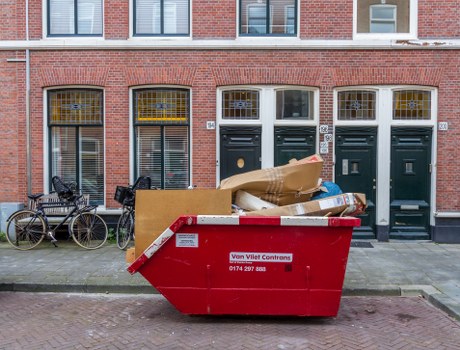 Bulky Waste Collection services are evolving to become a central part of our local sustainability plan. This bulky-item pickup programme focuses on diverting large household items from landfill, promoting reuse and improving recycling rates. By coordinating collections, drop-off opportunities and partnerships with reuse organisations, our bulk waste service aims to recover valuable materials and reduce the environmental impact of disposal. The plan aligns with borough-level waste separation practices so residents can benefit from consistent, easy-to-follow options for large-item disposal.
Our recycling percentage target is bold and measurable: we are aiming to recycle 70% of bulky waste materials by 2030. This target applies to materials recovered through the bulky waste collection, transfer stations and reuse schemes combined. Meeting this goal requires improving sorting at source, strengthening partnerships, and investing in collection infrastructure such as low-emission vehicles and on-route consolidation to cut down double handling.
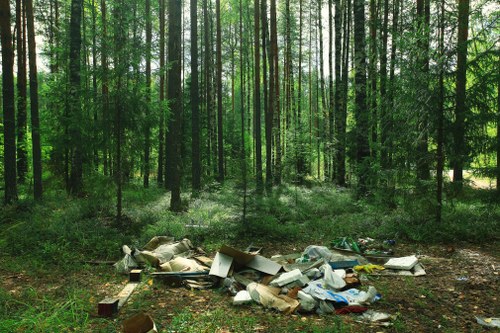 We work closely with local transfer stations and material recovery facilities (MRFs) to ensure large items such as mattresses, white goods, wooden furniture and metals are processed appropriately. Key recycling activities include segregation of textiles, e-waste decontamination, mattress recycling streams, and scrap metal recovery. Our collaboration with borough environmental teams supports kerbside separation where possible, with clear signage and guidance to match each area's approach to waste separation.
Fleet decarbonisation is central to the scheme. Our bulky-item pickup fleet is transitioning to low-carbon vans, including battery-electric and hybrid vehicles, to reduce tailpipe emissions. Route optimization software and load consolidation reduce mileage and increase the volume of items diverted for repair, refurbishment or recycling. These low-carbon vans are marked as part of the sustainable bulky waste collection fleet and are maintained to the highest efficiency standards to minimize lifecycle emissions.
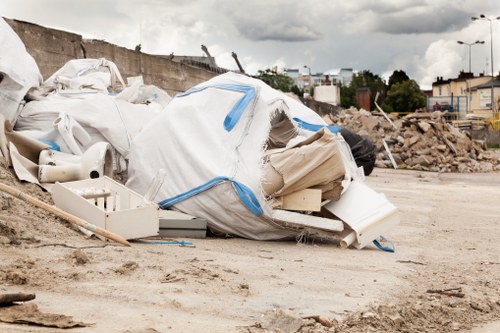 Partnerships with charities and social enterprises are a core feature of how we handle bulky waste. Items suitable for reuse ??? sofas, tables, beds and functional white goods ??? are triaged and offered to local charities for redistribution or refurbishment. This network supports community needs and extends product life. We provide logistic support for direct handovers to charities, and specialist teams assess repairability so reusable goods enter the circular economy rather than being prematurely recycled or landfilled.
Local transfer stations act as hubs where materials are sorted, stored and sent to appropriate downstream processors. Transfer stations expedite the flow from collection to recovery and are linked to accredited processors for textiles, metals, timber and electronics. Many boroughs have complementary kerbside collection rules that make it easier to coordinate bulky waste with regular recycling rounds, and some areas have introduced speciality drop-off days for large-item recycling.
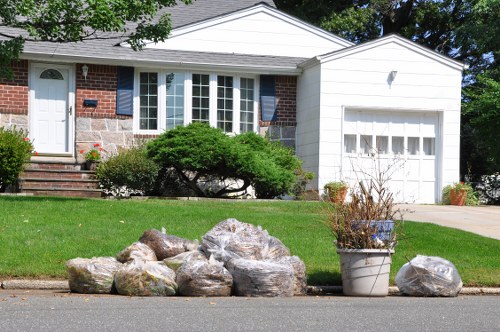 To boost reuse we offer strong incentives for donation: items in reusable condition are diverted to community shops and social projects. Repair and refurbishment partners receive items that need minor work, creating local jobs and reducing waste. Our monitoring framework tracks weight and material type diverted, and regular audits help identify opportunities to increase the share of repairable goods recovered for community reuse.
We publish clear performance indicators to track progress against the recycling percentage target and the carbon savings delivered by the low-carbon vans. Data-driven decisions guide investment in collection infrastructure and indicate where borough-level adjustments to waste separation practices can increase recovery. Education campaigns, signage at transfer stations and targeted communications help residents understand how bulky-item recycling differs from general household recycling.
![A pair of red recycling bins, each featuring a prominent green recycling symbol, are filled with various waste items placed on a flat surface. The left bin contains several upright cardboard tubes, crumpled brown paper, and light green foam packaging. The right bin holds an assortment of used plastic bottles, including clear, green, and red-tinted containers, with some capped and others with open necks. A person’s hand is reaching into the right bin, grasping a clear plastic bottle. The background is plain and neutral, emphasizing the contents of the bins and their role in waste collection and recycling efforts. The scene is well-lit, clearly showing the different textures—such as the smoothness of the plastic bottles, the crinkled paper, and the matte finish of the cardboard tubes—all typical of waste intended for rubbish removal services, possibly within a local context like [TOWN] or [POSTCODE], and performed by Bulky Waste Collection, a company active in recycling and sustainability initiatives in the area.](/pub/_photos/rubbish/f1348170192.jpg) In summary, our integrated bulky waste recycling programme ??? covering bulky-item pickup, transfer station processing, charity partnerships and a low-carbon van fleet ??? aims to create a resilient circular system for large items. Residents are encouraged to separate materials when possible, support reuse schemes and check local borough arrangements for collection or drop-off. Together, these measures will help us reach our ambitious recycling goals, reduce landfill dependency and lower the carbon footprint of bulky waste management across the region.
In summary, our integrated bulky waste recycling programme ??? covering bulky-item pickup, transfer station processing, charity partnerships and a low-carbon van fleet ??? aims to create a resilient circular system for large items. Residents are encouraged to separate materials when possible, support reuse schemes and check local borough arrangements for collection or drop-off. Together, these measures will help us reach our ambitious recycling goals, reduce landfill dependency and lower the carbon footprint of bulky waste management across the region.
Key activities at a glance
- Target: 70% bulky waste recycling by 2030.
- Infrastructure: local transfer stations and MRF links.
- Vehicles: low-carbon vans and optimized routes.
- Partnerships: charities, repair cafes and social enterprises for reuse.
- Materials: mattresses, white goods, textiles, metals, wood and e-waste streams.