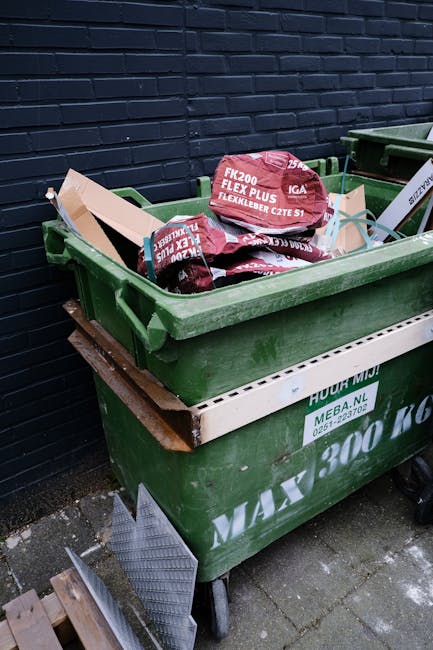
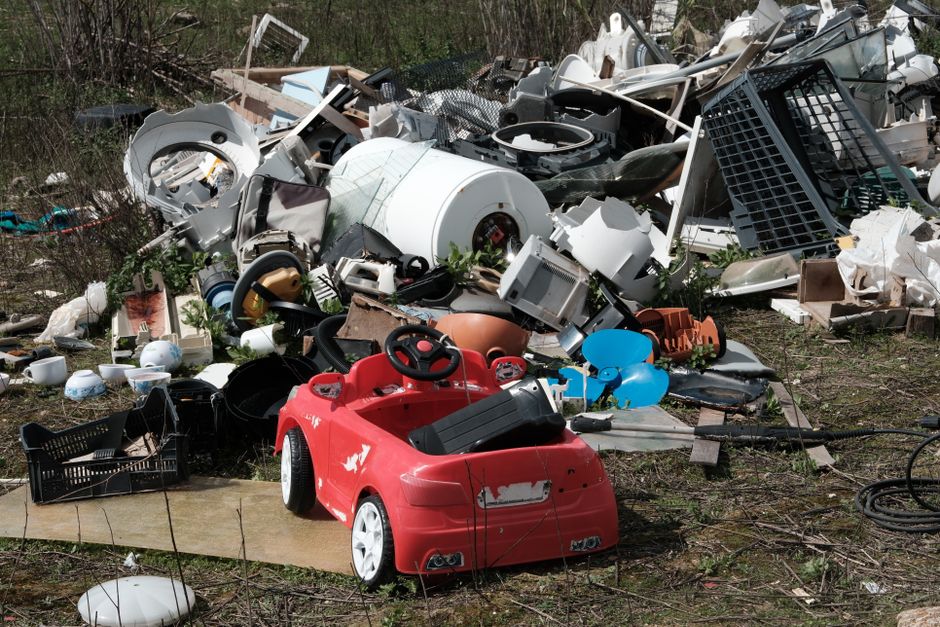
Bulky Waste Collection in London

Bulky waste collection in London should be simple to arrange, straightforward to understand and careful in how items are handled. This service is for larger household and commercial waste that is too awkward for normal bins, including furniture, appliances, mattresses, mixed bulky household items and other sizeable rubbish that needs lifting, loading and removal. We provide a practical collection service that focuses on clear communication, organised removal and responsible disposal routes for the materials we collect.
Choosing the right bulky waste service often comes down to what is being removed, how much space it takes up and whether the items need disassembly or separation before loading. Our work covers single items through to fuller clearances where several bulky pieces need to go at the same time. Where items can be reused, recycled or processed separately, that helps shape how the collection is planned. For many customers, the aim is simply to clear space without unnecessary disruption and have the waste removed in one organised visit.
Start by identifying the main items that need collecting and whether anything is especially heavy, fragile or difficult to move. If you are comparing options, it helps to check the difference between a dedicated bulky waste collection and a broader clearance service, because the most suitable choice depends on the mix of items rather than just the total volume. Clear detail leads to a better quotation, especially when there are stairs, restricted access, broken furniture or mixed materials involved.
What our bulky waste service covers
Our bulky waste collection service is designed for items that need manual handling and efficient transport, rather than a quick bagged waste uplift. Typical collections may include sofas, armchairs, wardrobes, tables, office chairs, bed frames, mattresses, white goods and other large objects that are difficult to dispose of through routine rubbish collections. We also deal with mixed bulky loads where a customer wants a clearer, cleaner finish after a room, property or storage area has been emptied of unwanted items.
Because bulky waste can vary so much in size, weight and material, it is useful to think in terms of the collection process as well as the waste itself. Some items can be carried out intact, while others may need to be taken apart first or handled in sections. Where a collection includes furniture and appliances together, separation can improve sorting and recovery after loading. That is one reason why a well-described enquiry is important: it helps match the method to the load rather than applying a one-size-fits-all approach.
Large items, furniture and appliances
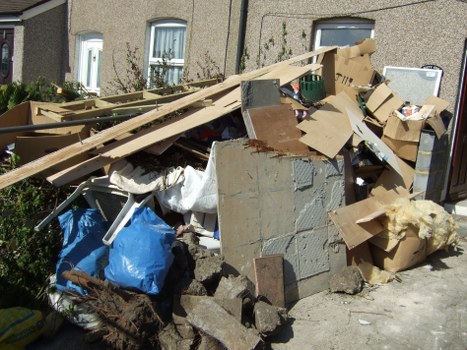
Bulky items are often the hardest to move because they are unwieldy as well as heavy. Furniture collections commonly involve sofas, beds, dining sets, wardrobes, cabinets and shelving, while appliance removal may involve fridges, freezers, washing machines, cookers and similar white goods. These items are usually not handled in the same way as ordinary rubbish, so planning matters. A collection can be simpler when the load is described accurately, particularly if the items are in more than one room or need carrying through narrow hallways, lifts or shared entrances.
When furniture is being removed, the condition of the item can affect how it is loaded and sorted. Some pieces can be reused or passed on if suitable, while others are only fit for dismantling and recycling routes. Mattresses and sofas, for example, are usually bulky enough to need careful handling even when they are no longer in good condition. We also take care with mixed loads that combine large items with smaller waste, because the efficient removal of the bulky pieces often makes the whole job easier to complete.
The most useful thing for customers to consider is not just what is going, but how it is stored, stacked or fixed in place. A wardrobe that has already been emptied presents a different job from a wardrobe that is still assembled and blocking access. Likewise, a fridge on a kitchen floor may be simpler to remove than one in a tight utility area with limited turning space. These practical details affect both the method and the quotation.
Household clearances and one-off removals
Bulky waste collection often overlaps with smaller household clearance tasks, especially when one or two rooms need clearing of oversized items. If there is a mixture of furniture, old fixtures, household clutter and awkward bulky rubbish, it may be more suitable to use a wider clearance service so the load can be completed in one organised visit. This is especially useful when the waste includes different materials that need sorting rather than simple disposal.
Homeowners, tenants and landlords commonly need help with items left behind after a move, refurbishment or reorganisation. In those situations, a bulky waste collection can sit alongside a more general clear-out without becoming an all-day project. We can collect a defined load from inside the property, from a garage, loft, spare room or other storage space, provided the item list is described clearly in advance. That helps reduce uncertainty and keeps the work focused on the actual items to be removed.
If you are unsure whether your request is best described as a bulky waste collection, furniture removal or a wider home clearance, think about the finished result you want. A concise description such as “large items onlyâ€, “mixed bulky household waste†or “furniture and mattress removal†is often enough to begin. You can then refine the details if there are access issues or items that require dismantling before collection.
How collections are planned and priced

Quotation building for bulky waste usually depends on several practical factors: the number of items, the approximate volume they take up, the weight involved, whether any items need dismantling and how accessible the collection point is. A single heavy object may take less time than a room full of lighter but awkward items, so the nature of the load matters as much as the amount of waste. In clear terms, the more accurately the collection is described, the more relevant the quotation can be.
It also helps to consider whether the bulky waste can be brought to one place before collection or whether items are spread around several floors or parts of the property. A neat, well-grouped load is easier to assess than a mixed pile spread across rooms. Where useful, we can plan for items that require extra handling, but the initial information should make it clear what is included and what is not. That way, the estimate reflects the job properly rather than relying on guesswork.
Useful details to include when requesting a quotation are:
- the main item types, such as sofas, beds, appliances or office furniture
- how many pieces need removing and whether anything is especially large or heavy
- the floor level, access route or any carrying restrictions
- whether items are intact, dismantled or partly broken
- if the collection is from a home, flat, office, garage or storage area
Furniture collection and furniture disposal
Furniture collection and furniture disposal are central parts of bulky waste work because old furniture is often the largest single part of a household or office clear-out. Sofas, beds, tables, desks and storage units all need different handling, particularly when they are bulky but not especially heavy. We manage removal with attention to safe lifting and practical loading, then route the items onwards according to their condition and material type. That can mean reuse, recycling or disposal depending on what the furniture is made from and whether it still has value.
Many customers want to know whether furniture can be removed as a single item or as part of a wider load. The answer depends on the specific pieces and the access available. A small request can be as straightforward as taking away one mattress or one sofa, while larger requests may involve several rooms and mixed items. Because furniture is so varied, a clear description is more useful than a generic label. If you are sending a quotation request, naming the items directly is the best way to keep the process efficient.
For mixed furniture jobs, it is worth separating what is definitely going and what is staying. That makes the collection quicker to assess and reduces the chance of confusion on the day. It also helps if any especially awkward pieces are mentioned in advance, such as corner sofas, heavy wardrobes, divan bases or furniture with glass panels. Specificity saves time at the planning stage and helps us match the right collection approach to the load.
Mattresses, beds and bedroom waste

Mattress collection is a common part of bulky waste removal because mattresses are large, awkward and often difficult to store until a general rubbish round. Beds and bedroom furniture can also include frames, headboards, divan bases and bedside units, which makes the load more varied than it may first appear. These items often sit in tight domestic spaces, so it helps to know whether they need to be carried down stairs, taken through a narrow landing or dismantled before removal.
Bedroom waste can also include a mix of textiles, damaged furniture and packaging from replacement items. In some cases, customers only need a single mattress removed; in others, the job involves clearing out a full set of old bedroom items before new furniture is installed. We can handle both kinds of request, but the quotation will depend on how many pieces are involved and how straightforward they are to move. If the bed frame is already broken down, that can make the load easier to plan.
It is sensible to prepare by checking whether slats, drawers, side rails or fixed headboards are included in the collection. These details may sound small, but they can make a difference to the work involved. If a mattress is damp, torn or heavily worn, that does not usually stop collection, but it is helpful to mention the condition so the waste can be treated appropriately. A brief, honest description is enough to begin the booking process.
About London
London is a large and historically layered city built around the River Thames, with development that stretches from the Roman settlement of Londinium through medieval growth, Georgian expansion and the rapid transformation of the nineteenth and twentieth centuries. Its geography is defined by the river’s bends, bridges and embankments, but also by a patchwork of villages, estates, markets and former industrial districts that became absorbed into the metropolis over time. The City of London remains the historic core, while the wider city spans boroughs with distinct identities and built forms, from formal squares and terraces to railway-era suburbs and regenerated docklands. Landmarks such as the Tower of London, St Paul’s Cathedral, the Palace of Westminster and the South Bank sit alongside major parks including Hyde Park, Regent’s Park and Hampstead Heath. London’s transport network, especially the Underground, Overground and extensive rail connections, has long shaped how the city grows and moves. Cultural life is similarly broad, with theatres in the West End, galleries, museums, music venues, markets and neighbourhood institutions contributing to a city that is both international and intensely local. River walks, canals, restored wharves and historic squares add further variety, while many districts preserve older street patterns beneath newer buildings. As a result, London is best understood not as a single place with one character, but as a connected collection of places whose architecture, history and public spaces constantly overlap.
Business waste and office clearances
Bulky waste collection is not limited to homes. Many businesses need a reliable way to remove office furniture, filing units, shelving, chairs, desks and redundant equipment that has become too large to handle through routine waste routes. Office clearances often require a tidy, methodical approach because the items are spread across work areas, meeting rooms, storage spaces or upper floors. We keep the focus on the objects being removed and the way they can be lifted safely, rather than treating all business waste as if it were the same.
Commercial loads often contain a mixture of furniture and operational waste. That means the most practical plan may be to remove bulky items first, then sort the remainder separately. Some offices are partially occupied while others are being fully emptied, so the scale of the job can vary a great deal. Where items include desks with metal frames, storage with mixed materials or chairs with plastic and fabric components, the route for disposal may differ from one item to the next. Describing the mix clearly gives a better basis for the quotation.
For businesses, a clean handover is usually more important than a long explanation. If you know the room count, item types and whether access is straightforward, that is often enough to begin. If there are lift restrictions, loading bay issues or specific collection windows, these should be included too. The aim is to make the process predictable and manageable from the first request through to removal.
Household bulky waste from garages, lofts and storage spaces

Garages, lofts and storage spaces often collect bulky items that no longer have a clear home. Old furniture, broken appliances, spare mattresses, redundant shelving and mixed household waste can all end up stored together, which makes the space difficult to use. Bulky waste collection from these areas often works best when the items to be removed are identified before the visit, so the load can be planned with fewer surprises. Access and headroom matter here more than in open rooms, particularly in lofts or narrow garages.
These spaces can also contain items that are still usable but no longer needed, alongside goods that are only fit for disposal. That creates a practical difference in handling. A garage clearance might include a few large items plus awkward mixed waste, while a loft collection might focus on old furniture and boxes of bulky materials that have built up over time. Where items are stacked, it helps to know whether everything under the top layer is also meant to go. That reduces the risk of ambiguity and keeps the visit focused.
For many customers, the value of this service lies in making a neglected space workable again. If that is your aim, the simplest next step is to list the bulky items you want removed and note any access points that may be restricted. Give the main item types, the room or storage area, and any handling concerns, then ask for a quotation in plain terms. If you already have that list, send it over and request a quote today.