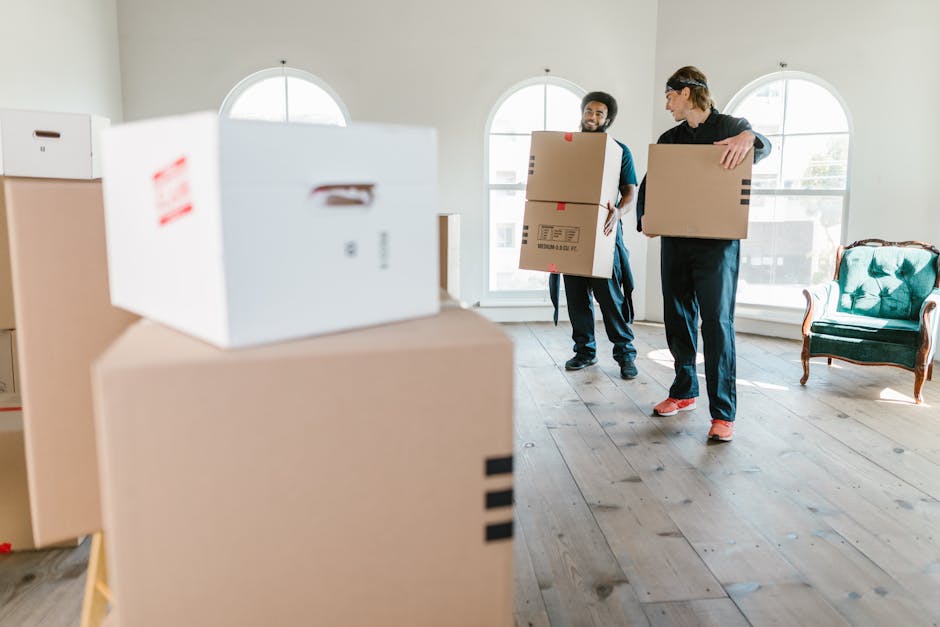
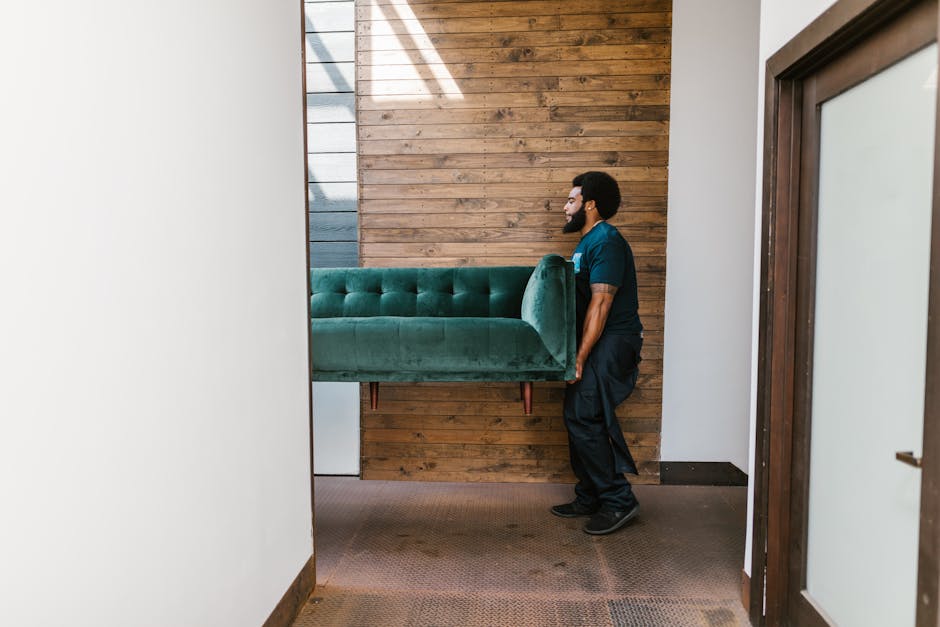
Tools pros use to move heavy furniture without damage
Moving a heavy wardrobe down a narrow hallway, or getting a sofa round a staircase that seems designed by someone with a grudge, is exactly where the right gear earns its keep. The tools pros use to move heavy furniture without damage are not fancy gadgets for the sake of it; they are practical, proven bits of kit that protect floors, walls, door frames, backs, and the furniture itself.
If you have ever heard that horrible scraping sound on a wooden floor, you already know why this matters. A careful move is not just about muscle. It is about leverage, control, surface protection, and having the right equipment for the size, weight, and shape of the item. In this guide, we will break down the core tools professionals rely on, how they work, when to use them, and how to avoid the mistakes that turn a simple job into a repair bill.
For bigger clear-outs, especially where a single piece becomes part of a wider decluttering job, many people also look at services such as furniture collection or furniture disposal. But if you are moving items within a home, or preparing them for removal, knowing the right moving tools still makes a huge difference.
Why Tools pros use to move heavy furniture without damage Matters
Heavy furniture can be awkward in ways that are hard to appreciate until you are halfway through a doorway and the item suddenly catches. A bulky oak sideboard may not just be heavy; it may be top-heavy, unevenly balanced, or vulnerable at the legs and corners. That is where proper moving tools matter. They reduce friction, spread the load, and help you steer the item rather than wrestle it.
Professionals think beyond lifting. They look at the whole route: floor type, stair angle, doorway width, ceiling height, and whether anything delicate sits in the line of travel. In a London flat, for example, tight hallways, shared stairwells, and old floorboards can make a straightforward move feel like a puzzle. Without protection, even one mistake can dent plaster, chip skirting boards, or leave deep marks on laminate.
There is also the safety side. Heavy lifting without the right gear can strain wrists, shoulders, and lower backs. To be fair, a lot of damage happens slowly, not dramatically. One bad twist, one rushed lift, one improvised slide across the floor. Done often enough, it catches up with you.
Expert summary: the best moving tools do two things at once: they protect the furniture and they make the mover safer. If a method does one but not the other, it is probably not the right method.
How Tools pros use to move heavy furniture without damage Works
Most professional moving systems work by changing the relationship between weight, friction, and balance. Instead of trying to dead-lift a sofa, pros reduce contact with the floor, create a rolling or sliding surface, and use leverage to control the movement. That is the real trick. Not brute force. Control.
A furniture dolly lets a heavy item roll rather than drag. Furniture sliders reduce resistance so a sofa or cabinet can glide over carpet or hard flooring. Lifting straps shift some of the load from your arms to your legs and torso, which is a much better arrangement if you value your back. Corner protectors, blankets, and wraps keep contact points from scuffing walls and damaging finishes.
On a practical level, the process usually goes like this: protect the path, secure removable parts, tilt and lift safely, place the item on a dolly or sliders, then guide it slowly to the new position. If stairs are involved, pros change the method entirely. They may use straps, a stair-climbing trolley, or a team lift with one person calling direction and pace. Slightly old-fashioned, maybe. Very effective though.
Different furniture needs different handling. A glass-topped console is more about stability and padding. A fridge or filing cabinet is more about weight distribution and balance. A leather sofa needs protection from sharp edges and dirty hands. The tool choice changes with the material, finish, and shape. That is where experience comes in.
Key Benefits and Practical Advantages
The obvious benefit is damage prevention, but the practical upside goes much wider than that. The right tools make the job faster, cleaner, and less stressful. You are not stopping every minute to reassess or patch up a scuffed wall. You move with a plan, and that matters.
- Less damage to floors and walls: sliders and blankets keep hard edges off delicate surfaces.
- Reduced strain: straps and dollies cut down on awkward lifting.
- Better control: you can steer, stop, and pivot more accurately.
- Fewer mishaps on stairs: the right stair-moving method reduces slips and drops.
- Faster moving time: fewer repeated lifts usually means a smoother job.
- Better protection for the furniture: corners, legs, and upholstery stay cleaner and intact.
There is also a nice knock-on effect: once people see how much easier a move becomes with proper equipment, they stop overestimating what can be dragged by hand. That alone saves a lot of trouble. Let's face it, most furniture is heavier than it looks and less forgiving than we wish.
For bigger jobs, particularly in homes with multiple bulky items, using professional-grade moving tools often pairs well with a planned clearance route. If the furniture is no longer needed, you may want to read about bulk waste collection or a more general waste removal service once the move is complete.
Who This Is For and When It Makes Sense
This is not only for removal crews. Homeowners, landlords, tenants, office managers, decorators, and anyone rearranging a room can benefit from the same approach. If the item is large enough to make you pause before lifting it, you probably need more than just strength.
It makes sense to use proper tools when:
- the item has solid wood, metal, or stone components
- you are moving across hardwood, laminate, tile, or carpet
- stairs, tight corners, or narrow doors are involved
- you are moving without several strong helpers
- the furniture has sentimental or high-value finishes
- you want to avoid marking a rented property
A flat move in a Victorian conversion is a good example. The item might not be huge, but the hallway is tight, the stairs turn sharply, and the walls are close enough to brush. In that setting, sliders, thick blankets, and a dolly are not optional extras. They are what keeps the job calm.
If the item is destined for removal rather than relocation, some people choose to coordinate the move with a dedicated furniture clearance or house clearance visit. That can save time when there is more than one large piece to deal with.
Step-by-Step Guidance
Here is a practical way to move heavy furniture without damage. This is the sort of method pros use because it works, not because it looks clever.
- Measure the route first. Check door widths, corridor turns, stair landings, and ceiling clearance. Measure the furniture too. A few extra minutes here can prevent a very awkward moment later.
- Clear the path. Remove rugs, shoes, floor lamps, plants, and anything else that can trip you up or get knocked over.
- Protect surfaces. Put down blankets, cardboard, floor protectors, or hard-floor runners where the item will pass. If the floor is polished or newly laid, do not skip this.
- Remove loose parts. Shelves, drawers, cushions, handles, and glass panels should come off if possible. Tape or bag small fittings so they do not go missing.
- Wrap fragile areas. Use moving blankets or padded wraps around corners, legs, and surfaces that can scratch easily.
- Choose the right tool. Use sliders for short indoor moves, a dolly for heavier rolling movement, straps for awkward lifts, and a stair solution if steps are involved.
- Lift with a plan. Bend at the knees, keep the item close, and avoid twisting your torso while carrying. Simple advice, yes, but people forget it the moment the item starts moving.
- Move slowly and communicate. One person should call the pace. If there are two or more people, agree in advance on simple commands like "stop", "tilt", and "slow".
- Set the item down carefully. Never drop it into place. Lower it onto felt pads, sliders, or a protected surface and check alignment before removing the tools.
If you are moving an item into storage, into another room, or toward collection, plan the end point as carefully as the route. A lot of damage happens right at the finish line, when everyone relaxes too soon.
Expert Tips for Better Results
Experienced movers usually have a few habits that make a surprisingly big difference. These are not dramatic secrets. They are just the small things that keep a job tidy.
Use the right slider for the floor
Felt sliders are often better on hard floors, while plastic or hard-rubber styles can be useful in different situations. On carpet, larger, low-friction sliders usually perform better because they do not sink in as easily. If you choose the wrong type, the furniture can feel strangely sticky and you will end up fighting it.
Keep blankets between tool and finish
When in doubt, add a layer. That extra blanket or pad can stop a metal edge from biting into a wooden frame. It also helps with grit, and grit is sneaky. Tiny bits of dirt can scratch polished surfaces before you even notice they are there.
Think in pivots, not pushes
Rather than trying to shove a bulky cabinet sideways around a corner, move it in small pivots. It is slower, but far safer for both the item and the wall. One controlled turn beats three desperate ones.
Test the weight before committing
Tip the item slightly and see how it balances. If it leans unexpectedly, or one side feels far heavier, adjust your plan before moving further. That small pause can prevent a topple.
Use gloves with grip, not bulk
Bulky gloves can reduce dexterity. Pros usually prefer gloves that protect the hands but still let them feel the edge of the item and the handle of the trolley. That balance matters more than people think.
A small aside: it is amazing how often the cheapest tool is the one that saves the day. A decent blanket and a good pair of sliders can outperform a much pricier bit of kit used badly. Funny, really.
Common Mistakes to Avoid
Most damage during furniture moves comes from rushed decisions, not bad luck. The usual mistakes are easy to spot once you know what to look for.
- Dragging instead of rolling: this is one of the quickest ways to scar both the furniture and the floor.
- Skipping route planning: a missed measurement can turn a simple move into a jam at the doorway.
- Using the wrong tool: a dolly is not always better than sliders, and straps are not always safer than a team lift.
- Leaving drawers or doors unsecured: these can swing open mid-move and throw the balance off.
- Overloading one person: if the item is awkward or borderline too heavy, get help.
- Forgetting wall protection: even a careful turn can clip a corner or scuff a banister.
- Moving too fast: speed is where most accidents begin.
There is also a subtle mistake people make with confidence: assuming that because a piece is moving easily, it is also safe. Not necessarily. A sofa can glide beautifully right until it catches the lip of a step or the edge of a door frame. Then it changes mood very quickly.
Tools, Resources and Recommendations
Below is a practical overview of the core tools professionals tend to use. You do not need every item for every move, but knowing the job each one does helps you choose wisely.
| Tool | Best for | Main advantage | Watch out for |
|---|---|---|---|
| Furniture sliders | Short indoor moves on carpet or hard floors | Reduces friction and protects flooring | Wrong surface type can make movement jerky |
| Furniture dolly | Heavy, solid items on level ground | Rolls weight instead of dragging it | Not ideal on stairs or uneven floors |
| Lifting straps | Team lifts and awkward shapes | Improves leverage and body mechanics | Needs good coordination and practice |
| Moving blankets | Wood, leather, painted, or polished furniture | Protects surfaces from knocks and scrapes | Must be secured so they do not slip |
| Corner protectors | Tables, cabinets, frames, and sharp edges | Cushions vulnerable points | Can move if not taped or strapped properly |
| Stair-climbing trolley | Heavy items on stairs | Improves control over steps | Requires confidence and clear communication |
In the real world, pros often mix tools rather than rely on one magic solution. A sofa might be wrapped in blankets, lifted with straps, then rolled on a dolly for the flat section before being guided manually around the last corner. That layered approach is normal.
For households clearing several large items at once, it can help to think about the end result too. If the furniture is being removed because it is worn out, a route that ends in collection, recycling, or disposal is often more efficient than dragging everything around twice. Options such as large item collection or waste disposal may be more practical than trying to store items temporarily.
Law, Compliance, Standards, or Best Practice
For domestic furniture moving, the main compliance issue is usually safety and care rather than paperwork. In the UK, employers and contractors are expected to manage manual handling risks sensibly and provide suitable equipment where needed. Even for home moves, the same common-sense principles apply: reduce risk, avoid unsafe lifts, and do not push someone into handling a load they cannot control.
If you are hiring movers or using a clearance team, it is reasonable to ask about insurance, safe handling practices, and how they protect floors and door frames. Reputable operators usually have a clear process for this. If a company sounds casual about safety, that is a warning sign, plain and simple.
For shared buildings, especially flats and managed properties, it is also wise to check building rules about lift usage, stair protection, parking access, and move timing. In some places, landlords or managing agents expect common areas to be left clean and undamaged. Nothing exotic there, just good practice.
Where heavy items are being removed rather than moved locally, responsible handling also links to reuse and recycling. If a piece can be reused, repaired, or diverted from landfill, that is usually preferable. A careful move helps keep options open.
Bulky Waste Collection also publishes policies that matter to trust and service expectations, including health and safety policy and insurance and safety, which are useful references when you want a clearer picture of professional standards.
Options, Methods, or Comparison Table
Not every move needs the same method. The best choice depends on weight, distance, flooring, and how awkward the item is. Here is a straightforward comparison.
| Method | Best use | Strengths | Limitations |
|---|---|---|---|
| Furniture sliders | Short moves across rooms | Low effort, floor-friendly | Less effective on uneven ground |
| Furniture dolly | Heavier items on level floors | Excellent for rolling weight | Poor on stairs and thresholds |
| Lifting straps | Team moves and awkward lifting | Better leverage, less arm strain | Needs coordination and training |
| Blanket-wrapped carry | Fragile or polished furniture | Good surface protection | Still labour-intensive |
| Stair trolley | Vertical moves between floors | Improves control on steps | Requires space and careful handling |
The main decision is simple: use the least aggressive method that still gives you control. If sliders are enough, do not overcomplicate it. If the item is genuinely heavy, do not pretend a blanket and optimism will do the job. They rarely do.
Case Study or Real-World Example
A typical job might involve moving a large wardrobe from a first-floor bedroom into a hallway for collection. The wardrobe is solid, awkwardly tall, and the stairs turn sharply at the bottom. The room has a carpet, the hallway has painted walls, and the front door opens onto a narrow landing. Bit of a headache, really.
In that kind of move, a professional would usually:
- remove doors or shelves if possible
- wrap the wardrobe in moving blankets
- place sliders or a dolly where the floor allows
- use two people to control the tilt and weight
- protect corners and stair edges with padding
- move slowly through the stair turn, not in one rushed pull
The useful part is not just the tools themselves. It is how they combine. The wardrobe is never unsupported for long, and no one is trying to force a single tool to do a job it was not made for. That is the professional mindset in a nutshell.
In a real home, this often means the item arrives at the collection point without a fresh dent, and the hallway still looks like a hallway afterwards. Small win. Big relief.
Practical Checklist
Use this checklist before you start. It keeps the move grounded and helps you avoid the classic rushed-job mistakes.
- Measure the furniture and the route
- Check for stairs, slopes, thresholds, and tight turns
- Clear the path of loose items and trip hazards
- Protect floors, walls, and corners
- Remove detachable parts where possible
- Choose the right tool: sliders, dolly, straps, or blankets
- Use enough people for the weight and shape
- Agree on clear commands before lifting
- Move slowly and pause before every corner
- Set the item down gently on a protected surface
If you can tick all ten, you are in a much better place. If you cannot, stop and reset. No drama. It is better to spend five extra minutes preparing than fifty minutes repairing a wall.
Get a free quote today and see how much you can save.
Conclusion
The tools pros use to move heavy furniture without damage are really about control, protection, and reducing the number of things that can go wrong. Sliders, dollies, straps, blankets, and corner guards each solve a different problem. Used together, they turn a difficult move into a manageable one.
Whether you are rearranging a home, helping with a flat move, or preparing bulky furniture for collection, the smartest approach is always the same: plan the route, use the right gear, and move at a pace that lets you stay accurate. That is how damage gets avoided. That is how backs get spared. And honestly, that is how the whole day stays calmer.
If the item is staying, protect it properly. If it is going, move it cleanly. Either way, the right tools make the difference between a stressful lift and a job that feels under control from start to finish. A good move leaves no scars, and that is a lovely thing.
Frequently Asked Questions
What tools do professionals use to move heavy furniture?
Pros usually use furniture sliders, dollies, lifting straps, moving blankets, corner protectors, and sometimes stair-climbing trolleys. The exact mix depends on the floor type, the size of the item, and whether stairs are involved.
How do you move heavy furniture without scratching the floor?
Use sliders or a dolly, protect the route with blankets or floor coverings, and avoid dragging the item directly across the surface. Clean the floor first as well, because grit can scratch surprisingly easily.
Are furniture sliders better than a dolly?
Not always. Sliders are great for short moves and tight indoor spaces, while dollies are usually better for rolling very heavy items on level ground. Pros choose based on the route, not on one tool being universally best.
Can one person move heavy furniture safely?
Sometimes, yes, but only if the item is manageable and the right tools are used. For large wardrobes, solid wood cabinets, or anything awkward on stairs, a second person is usually a much safer call.
What is the safest way to move furniture downstairs?
The safest method depends on the size and weight of the item, but stair-climbing trolleys, lifting straps, and a two-person controlled descent are common professional approaches. Rushing down stairs is where trouble starts.
Do moving blankets really make a difference?
Yes, they do. Moving blankets protect surfaces from knocks, scuffs, and dirt. They are especially useful for wood, leather, painted finishes, and polished edges that mark very easily.
How do pros stop furniture from wobbling while moving?
They remove loose parts, secure doors and drawers, keep the item low and balanced, and use the right support tool for the weight. If something feels unstable, they stop and reset instead of forcing it.
What should I use for moving heavy furniture on carpet?
Large furniture sliders designed for carpet usually work well. They reduce friction and stop the item from digging into the fibres. A dolly can also help if the path is flat and open.
Is it worth hiring professional help for one heavy item?
Often, yes, especially if the item is valuable, awkward, or hard to get through the house. One large sofa or wardrobe can cause more damage than several smaller items if the move goes badly.
How much protection should I use around corners and door frames?
As much as the route demands. In tight hallways or older buildings, extra padding is worth it. Door frames and corners tend to be the first things damaged in a clumsy move, so they deserve special attention.
What is the biggest mistake people make when moving heavy furniture?
The biggest mistake is trying to brute-force the move without enough preparation. Wrong tool, poor route planning, and moving too fast are the classic trio. Any one of them can turn a small job into a costly one.
When should I stop and call in help?
Stop if the item is too heavy to control, the route is too tight, stairs feel unsafe, or you cannot protect the floor properly. If the furniture starts to feel like a wrestling match, that is usually the moment to pause and reassess.